Should You Bring a Leather Portfolio to a Job Interview?
Do You Need a Leather Portfolio for a Job Interview?
You don’t have to bring a leather portfolio to a job interview, but it helps. A leather portfolio keeps resume copies flat, holds your notepad and questions, and makes you look organized. Choose a simple black or brown style in your country’s paper size, and pack only what you need.
You’ve got the interview, the printed resume and a slightly nervous stomach. Now comes the small question: do you walk in with a leather portfolio, or just hold your papers? This guide answers that plainly. You’ll learn when a leather portfolio is worth bringing, what to pack, which size suits US Letter and A4 paper, and how to pick a leather folder that lasts.
Do You Need a Leather Portfolio for a Job Interview?
No, employers rarely require one. But a leather portfolio is a low-cost way to show you’re prepared. It keeps resume copies crisp, gives your notes a home and stops loose papers from bending in your bag. Career guides regularly list a folder or padfolio among the basics.
If the employer has asked for specific items, bring those first. Otherwise, treat the portfolio as a tidy way to carry what you’d bring anyway.
Why Do Candidates Bring a Leather Portfolio?
A leather portfolio keeps documents flat, holds a notepad and pen, and signals preparation. Interviewers notice small things, and a crisp resume beats a creased one pulled from a tote bag. It also gives your hands something calm to hold when nerves show up.
It earns its place most in long or multi-person interviews, when you’re juggling papers, names and questions at once.
What Should You Put Inside a Leather Portfolio for an Interview?
Pack printed resume copies, a notepad, two working pens and a short list of questions for the interviewer. Add references, certificates or work samples only if the role calls for them. Keep it slim so it opens flat and looks tidy.
- Resumes: one per person you’ll meet plus one spare, or about five if you don’t know the panel size
- Printed job description with your highlights
- A list of interviewers’ names, if you were given one
- Business cards, if you have them
- Work samples, for creative or technical roles
Is a Leather Portfolio Better Than a Briefcase or Bag?
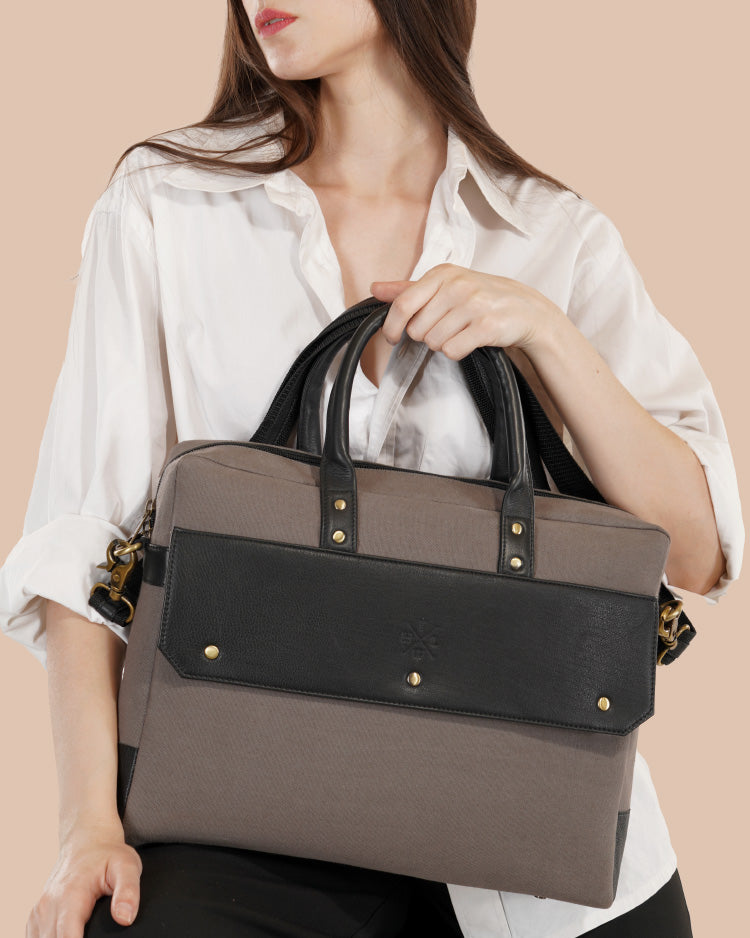
For most interviews, yes. A leather portfolio is slimmer, quieter and easier to manage in a small meeting room. A briefcase makes more sense if you’re also carrying a laptop or commuting a long way. Many candidates pack the portfolio inside a larger bag and carry only the portfolio into the room.
What Is the Difference Between a Leather Portfolio, a Padfolio and a Leather Folder?
In everyday use the terms overlap. A leather portfolio or padfolio usually adds a writing pad, card slots and a pen loop, while a leather folder can be simpler. A leather portfolio case adds a zip-around closure that protects papers inside a bag.
Look for a flat-opening design, a pen loop, a writing pad holder and a closure you like. Black, dark brown and tan all look professional. For style comparisons, see our guides on choosing a leather portfolio for your job and the best leather portfolio styles for business professionals.
What Size Leather Portfolio Should You Choose?
Match the portfolio to your paper. Which size you need depends on where you live. In the US and Canada, a standard resume is Letter size at 8.5 x 11 inches. In the UK and Australia, it’s A4 at 8.27 x 11.69 inches. A4 is narrower and taller, so a Letter resume can sit tight in an A4 pocket. Check the listed dimensions before you buy.
If you’d like a tablet or slim laptop in the same case, look for a dedicated device pocket. Our Paramount A4 zip portfolio, for example, carries slim laptops up to 11 inches.
Which Leather Is Best for a Portfolio?
Full-grain leather is the best choice for a portfolio you want to keep. It uses the strongest layer of the hide and develops a patina instead of wearing thin. “Genuine leather” usually means a lower grade, and faux leather can crack or peel over time.
Ask the seller which grade they use. A clear, specific answer is a good sign.
How Do You Use a Portfolio During the Interview?
Keep it closed until you need it, then open it flat to take brief notes. Hand over a resume only when asked, and glance at your questions instead of reading them aloud. The portfolio should support the conversation, not become the focus.
- “I’d like to note a few points as we talk, if that’s okay.”
- Jot down each interviewer’s name and email for a thank-you note.
- Write notes in short bursts so you keep eye contact.
- What Mistakes Should You Avoid?
The biggest mistakes are overstuffing, choosing the wrong size and carrying a scuffed, worn-out folder. A bulging portfolio looks disorganized and undercuts the polished image you’re going for.
Also skip large visible logos, a clicky pen, and note-taking so heavy that you stop looking up. Bring only what you’ll actually use.
How Do You Care for a Leather Portfolio So It Lasts?
Wipe it with a soft, dry cloth, keep it away from heat and direct sun, and never leave it in a hot car. Condition the leather occasionally and let it air-dry if it gets damp. Our leather portfolio care routine walks through each step.
Is a Leather Portfolio Worth the Money?
Yes, if you’ll use it beyond one interview. A well-made leather portfolio can last through years of meetings, reviews and conferences. If this is a one-time need, a budget padfolio is a fair choice.
It’s also a popular gift. One customer review on our site mentions buying four portfolios as gifts that all went down well, and free name personalization (up to 8 characters) helps. You can browse personalized leather portfolios for graduation or new-job gifts.
Conclusion
You don’t need a leather portfolio to do well in an interview, but it’s an easy way to arrive organized and calm. Pick one in your paper size, pack only what you need, and choose leather that will age well. Resume copies, a good pen and a few questions are enough. When you’re ready to choose, our leather portfolio case collection is a good place to start. Need a bulk order? Contact us on WhatsApp and email.
FAQ
Should you have a portfolio ready for an online interview?
Not required. For video interviews, a portfolio is optional, but it keeps your notes, questions and a printed resume within reach off-camera. Keep it out of frame unless you’re showing a document.
What color leather portfolio is best for an interview?
Black or dark brown is the safest choice because it suits nearly any outfit and industry. Tan works for more relaxed workplaces. Match it to your shoes and belt.
Is it okay to take notes during an interview?
Yes. Brief notes show you’re listening. Ask politely before you start if you’re unsure, and keep them short so you maintain eye contact.
How many resume copies should you bring?
Bring one copy per interviewer plus one spare. If you don’t know the panel size, about five copies is a safe number to carry in a leather portfolio.
Can a leather portfolio hold a laptop or tablet?
Some can. Look for a dedicated device pocket and check the maximum screen size. Our Paramount A4 zip portfolio fits slim laptops up to 11 inches.