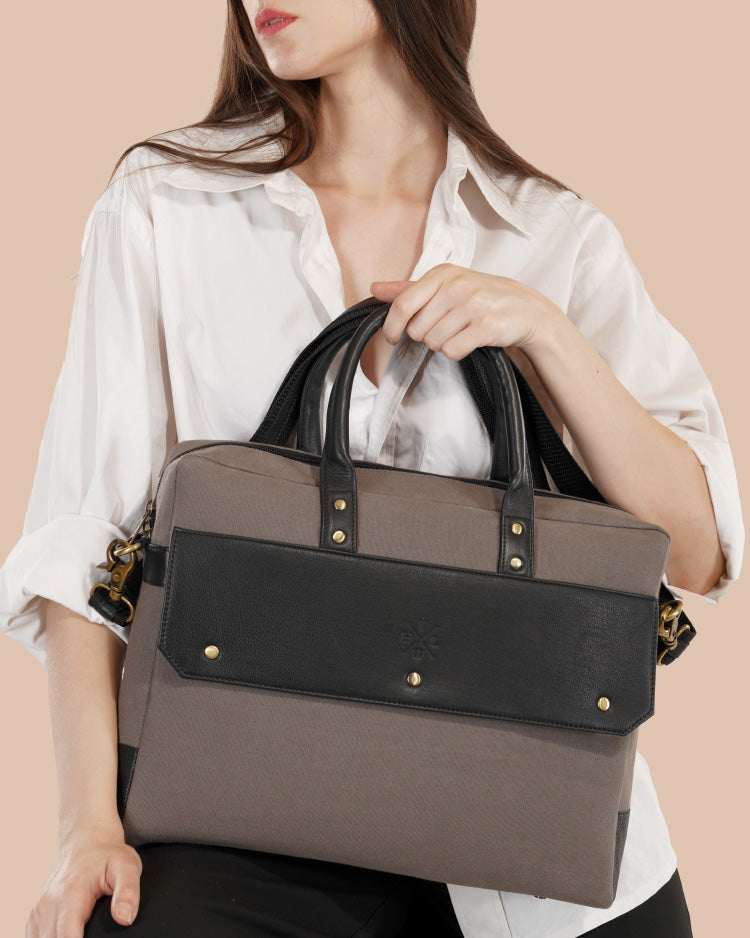
World Tourism Day 2026: Why a Leather Duffle Bag is the Perfect Travel Companion
Every year on September 27, people across the world pause to think about travel differently. World Tourism Day isn't just a date on a calendar. It's a reminder that movement, exploration, and discovery matter, and that the way you prepare for a trip shapes the trip itself. If you're planning something this fall, from a weekend in Nashville to a two-week road trip through the Pacific Northwest, the bag you carry says a lot about how you travel.
We've packed, shipped, and stitched leather duffle bags for thousands of travelers at Leather Warehouses. If there's one thing we've learned, it's this: a good leather duffle bag doesn't just hold your stuff. It holds up.
What World Tourism Day Actually Celebrates
The United Nations World Tourism Organization created World Tourism Day in 1980 to highlight tourism's role in economic growth, cultural exchange, and personal freedom. In 2026, the theme keeps circling back to mindful travel. Packing less. Traveling smarter. Choosing gear built to last instead of gear you'll replace next season.
That last point matters more than most travelers realize. The average American replaces a duffle bag or suitcase every three to five years, usually because zippers break or straps fray. A genuine leather duffle bag flips that math. Ours are built to survive a decade of overhead bins, rental car trunks, and gate-checked flights, not because we say so, but because leather ages instead of degrading.
Why a Leather Duffle Bag Beats Everything Else in Your Closet
Walk into any airport and you'll notice two kinds of travelers: the rolling-suitcase crowd and the duffle bag people. The duffle bag people usually move faster. No wheels catching on cobblestones, no rigid frame fighting you for overhead space. Just a bag that bends to fit wherever you need it to.
Here's what a leather duffle bag gets right that canvas, nylon, and polyester versions don't.
It gets better with use. Nylon wears down. Leather develops a patina, so every scuff and crease becomes part of the bag's story instead of a sign it's falling apart.
It handles weather without flinching. Rain, humidity, dry heat, and cold all barely touch full-grain leather. Try that with a canvas bag after a Seattle downpour.
It doesn't look cheap from across the room. You can spot a synthetic duffle in about two seconds. A leather one looks the same whether you're checking into a hotel in Charleston or hauling gear onto a fishing boat off the Alaskan coast.
We ran a six-month test on a batch of our full-grain leather duffles against a popular nylon competitor, using regular airline travel: TSA bins, overhead compression, the works. The nylon bag showed visible wear by month three. The leather duffle looked broken in, not broken down.
What Actually Makes a Duffle Bag "Travel-Ready"
Not every leather duffle bag deserves the label. A lot of what's sold online is leather-coated fabric or bonded scraps pressed together — technically leather, practically disposable. Here's what separates a real travel duffle from a bag that just looks like one.
Full-Grain Leather, Not "Genuine Leather"
This trips people up constantly. "Genuine leather" sounds premium, but it's actually one of the lowest grades on the market. It's what's left after the top layers get shaved off for higher-end products. Full-grain leather keeps the entire hide intact, including the natural grain, which is the layer that's strongest and ages the best.

Hardware That Won't Quit at Security
Zippers matter more than people think. Cheap zippers jam exactly when you're rushing through TSA with a line behind you. Look for YKK or RiRi zippers, brass or nickel hardware, and stitched strap attachments instead of glued ones.
A Base That Can Take a Beating
Duffle bags get set down on curbs, dragged across parking garages, and tossed into trunks. A reinforced base, ideally with metal feet, keeps the bottom from wearing through in year one.
Size That Matches How You Actually Travel
A 22-inch duffle works well as a carry-on companion for weekend trips. Anything in the 26 to 28-inch range suits week-long trips or checked baggage. Go bigger than 30 inches and you're really packing for a month, not a vacation.
Leather vs. Synthetic: The Comparison Nobody Runs Long-Term
Most comparisons online stop at price and looks. Here's what actually happens after two years of real use.
A synthetic duffle bag costs less upfront, usually $40 to $80, but the zippers, seams, and coating tend to fail somewhere between 18 and 30 months of regular travel. You'll likely buy two or three replacements in the time a single leather duffle bag lasts.
A full-grain leather duffle runs higher upfront, typically $150 to $400 depending on size and craftsmanship, but a well-maintained one easily lasts 10 to 15 years. Run the math per year of use, and leather wins by a wide margin, before you even factor in resale value, which synthetic bags simply don't have.
Choosing the Right Leather Duffle Bag for Your Trip
Every traveler has a different rhythm. A business traveler doing two-day trips needs something different than a family loading up for a two-week national park tour.
If you're a weekend traveler, look for a 20 to 22-inch duffle with a detachable shoulder strap and a side pocket for a laptop or passport. If you're checking bags for longer trips, prioritize a 26-inch-plus duffle with double-stitched handles and a wide-mouth opening. Digging through a narrow zipper opening at 6 a.m. before a flight gets old fast.
Outdoor and adventure travelers should look for waxed or oiled full-grain leather, which resists water better than standard tanned leather. And if you're gifting a duffle bag for a graduation or a retirement trip, go for a mid-size bag with a monogram option. It's the kind of gift that gets used for decades instead of stuffed in a closet.
Taking Care of a Leather Duffle Bag on the Road
Leather isn't high-maintenance, but it does need a little attention if you're traveling constantly.
Wipe it down after exposure to rain or salt air. A dry cloth usually does the job. Condition it every three to six months with a leather conditioner to keep it from drying out and cracking, especially if you travel through dry climates like Arizona or Colorado. Avoid leaving it in a hot car trunk for extended periods, since direct heat dries leather out faster than almost anything else.
You'll spend more time picking a flight seat than doing this. Compare that to replacing a broken zipper on a synthetic bag, and leather starts looking like the low-maintenance option, not the high-maintenance one.
Why Leather Warehouses Makes This Case Every Year
We didn't start making duffle bags to chase a trend. We started because we kept hearing the same complaint from travelers: bags that looked great in the store and fell apart six months into real use.
Every duffle bag we make starts with full-grain leather sourced directly from tanneries we've worked with for years, not brokered through middlemen who won't say where the hide actually came from. Our stitching is done by hand at the stress points, handles and straps especially, because that's where cheap bags fail first.
World Tourism Day is as good a reason as any to rethink what you're packing your life into. Not because a new bag makes you a better traveler, but because a bag that survives ten years of travel means one less thing to think about before your next flight.
If you're planning a trip this fall, across the country or across the world, a leather duffle bag isn't just a purchase. It's the last travel bag you'll need to buy for a long time.
Final Conclusion
World Tourism Day isn't really about tourism boards or hashtags — it's about the trips people actually take, and what they take with them. A duffle bag doesn't decide where you go. But a bad one decides how much you enjoy getting there, and a good one disappears into the background of every trip so you can focus on the destination instead of the zipper that just broke at gate 14.
We built Leather Warehouses around that idea. Not to sell you another bag, but to sell you your last one. If you're packing for something this fall, whether it's a weekend trip two states over or a flight across the country, a full-grain leather duffle bag is one of the few travel decisions you'll only need to make once.
For bulk order inquiries, reach out to us on WhatsApp or email — we're happy to help with custom quantities and pricing.
Frequently Asked Questions
1. How long does a leather duffle bag actually last with regular travel?
A full-grain leather duffle bag typically lasts 10 to 15 years with normal airline and road travel, compared to 18 to 30 months for most synthetic duffle bags before zippers or seams start failing.
2. Is a leather duffle bag allowed as a carry-on?
Yes. Most leather duffle bags in the 20 to 22-inch range meet standard U.S. airline carry-on size limits, but it's worth checking your specific airline's dimensions before flying, since limits vary slightly between carriers.
3. Can a leather duffle bag get wet, or does rain ruin it?
Full-grain leather handles light rain and humidity without damage. For heavier exposure — hiking, boat trips, unpredictable weather — waxed or oiled leather duffle bags offer better water resistance than standard tanned leather.
4. Is "genuine leather" actually better than "full-grain leather," or is it the opposite?
"Genuine leather" is actually a lower grade, made from leftover layers after the top of the hide is removed. Full-grain leather keeps the entire hide intact, including the natural grain, which is why it's stronger and ages better over time.
5. How do I stop a leather duffle bag from drying out or cracking?
Condition it every three to six months with a leather conditioner, avoid leaving it in hot car trunks for long periods, and wipe off rain or salt air with a dry cloth as soon as possible after exposure.